Hello, everyone! Today we are going to be going over an important aspect of drilling called the . Ever take a good hard look at drill bits? You may have also noticed that some of them have a different shape at the end where they fit into the drill. This special profile is known as the shank taper! Simply put, the shank taper is a way that the end of the drill bit that connects to the drill is angled or shaped. There are many types of shank tapers used for various jobs and materials, and an understanding of them can assist you in improving your drilling.
You may wonder what is the significance of the shank taper shape. In fact, the shank taper can be a true game changer when it comes to drilling performance. If you fit a drill element with the incorrect variety of shank taper for exactly what you are working on, the drill little bit may not exactly go where you desire it to, or it may not have the capability to slice through the material correctly. This results in issues such as inconsistent holes, broken drills, and tons of frustration when completing a project. Hence, it is essential to select the correct shank taper for successful drilling.
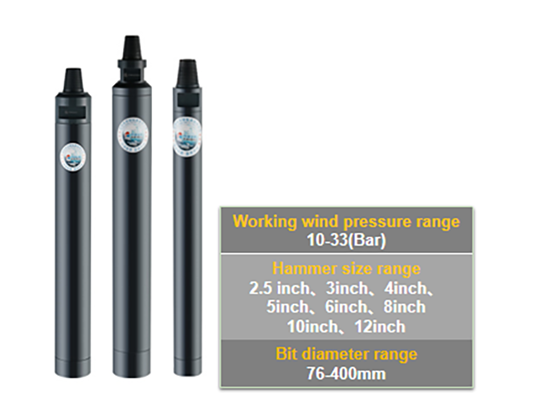
So now you may be asking, how to select the correct drill shank taper for your job? This will vary depending on a couple of things, such as what you are drilling into, and what type of drill bit you’re using. For instance, when you are drilling into wood, you may want to use a drill bit with a wider shank taper. The wider shank will keep the drill bit steady and let you better control your work. Conversely, if you are drilling into metal, a drill bit with a more pointed end shank taper would be required. The angled tip helps the bit penetrate hard material more easily. Asking, and doing some research is always a good idea, and experts like Kaiqiu can help you make sure you have the right tool in your hand to get the job done.
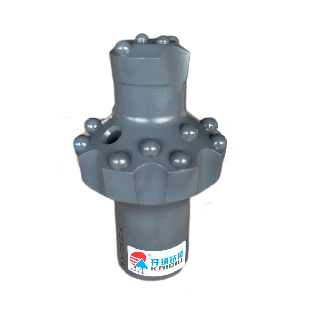
Once you have selected the correct drill shank taper for your project, maintaining it correctly for longevity is extremely important. One way that can help is to make sure the shank taper is free of dirt and debris. When the taper is clean, it allows the drill bit to be tightly seated in the chuck. This snug fit decreases the odds that the bit will slip or wobble while you drill, resulting in improved results. Moreover, always use the correct speed and pressure when drilling. Using the right settings can limit wear and tear to the shank taper, keeping your drill bits in their best shape. If at any time you notice any roughness or other damage wear possibly your drill bit is time to replace it or seek expert advice. Maintaining your tools will go a long way to ensuring success in your projects.
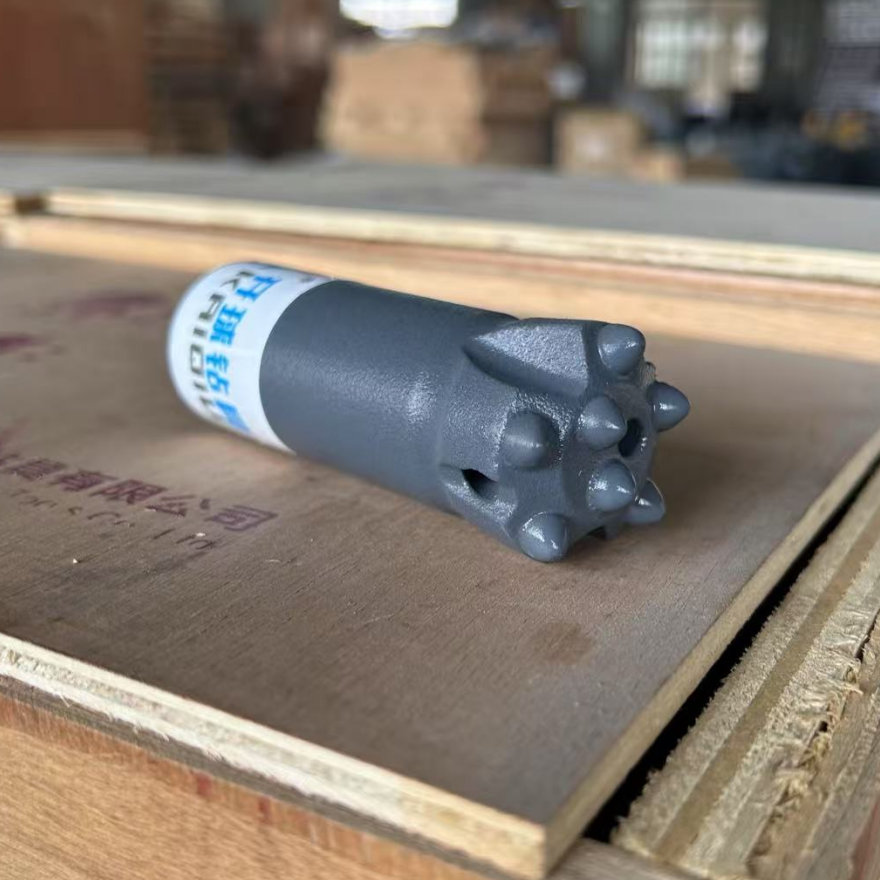
Now, we will observe a closer look at some various types of drill shank tapers to give you a better understanding of the choices. Kaiqiu provides many variants of the shank tapers that can fulfill many requirements. The common types among them are Morse Taper, Straight Shank, and Reduced Shank. Heavy-duty tapping jobs generally call for Morse Taper shank taps, which are a perfect tool for hard materials. In contrast, a Straight Shank tapers are used on most handheld drills you might have at home or in a workshop. The reduced shank tapers are great for drilling larger holes as well, but can be used with smaller drills and which makes them very handy to have for all tasks. These are just a few of the many different shank taps, but knowing about them will allow you to get more versatile tools that can take on many drilling jobs, meaning you can do your work easier and more efficient.

 EN
EN