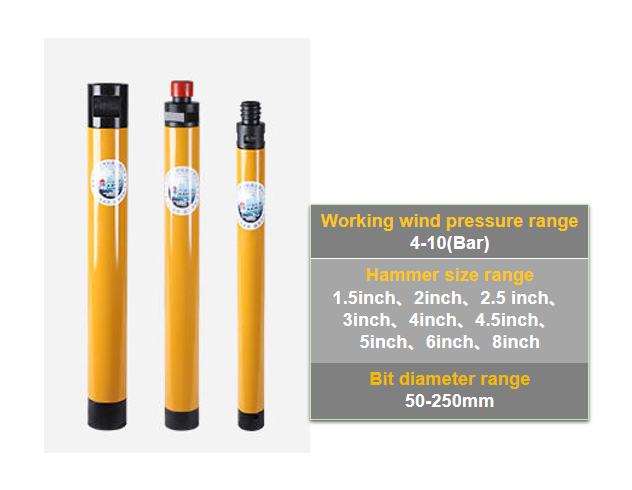
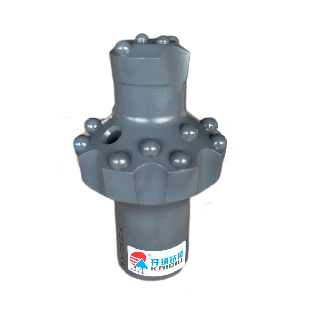
Do you have any knowledge about the DTH pipes? These pipes are unique because they are part of the drilling process that creates deep holes in the ground for a certain type of extract such as oil, gas or water. DTH means "down-the-hole. “But what goes inside of the pipe is the drill bit, which is the equipment that digs into the earth. The way it is done is that the pipe utilizes air pressure to push the drill bit deeper into the ground.
An amazing fact about the DTH pipe working! At its first stage, the DTH pipe is connected to a giant drilling machine. This large machine blows air down the pipe to the bit at the bottom of the pipe. Highly pressurized air spins the drill bit great speeds. The drill bit spins, grinding into the earth and making a hole. That blast of air also clears loose dirt and rocks from the hole, enabling the drill to continue boring deeper and deeper without binding.
There are several great advantages of using a DTH pipe for drilling. One, DTH pipes are immensely more speedy and resourceful than any other drilling method. This allows for planning to take place in a shorter period of time, which is beneficial as this reduces the risk of project delays. If you have an urgent project to complete, you can also use DTH pipes for it.
DTH pipes have another great advantage; they can drill much deeper than any other method. This is crucial if you're working on a project that has you digging deep down to find valuable materials. The traveling mechanism also reduces the possibility of bit getting stuck or damaged as the bit remains within the pipe. That means less downtime, and you won’t be investing too much money on repairs which is a huge benefit for any project.

Knowing that there are alternative drilling techniques in addition to DTH pipes is a useful piece of information. Every approach has its pros and cons. One method is known as rotary drilling. This approach employs a big rotating drill bit that crumbles the ground. For some projects, quickly making large holes is an advantage of rotary drilling. But it does not perform as well with hard or rocky ground. If the ground is tough rotary drilling can be slow and require multiple passes, or even false start.
Auger drilling is another method of drilling. The technique involves digging deeply into the earth with a large corkscrew-shaped bit. On the other hand, auger drilling is for narrow holes but it is slower compared to DTH drilling and it can never go very deep. Familiarizing yourself with these various styles is useful when deciding what is appropriate for your individual drilling requirements.
So, if you're getting ready for a drilling project, then dth pilings could be your best bet. First make an assessment about the size of the hole you need to create. This is an important step, too, because some projects will need different hole sizes. The next thing to consider is the ground or different terrain you would need to drill in. Certain terrain can be much more rugged (and possibly require specialized gear to effectively drill).

 EN
EN