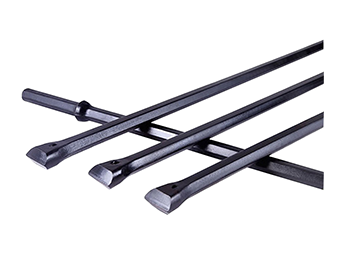
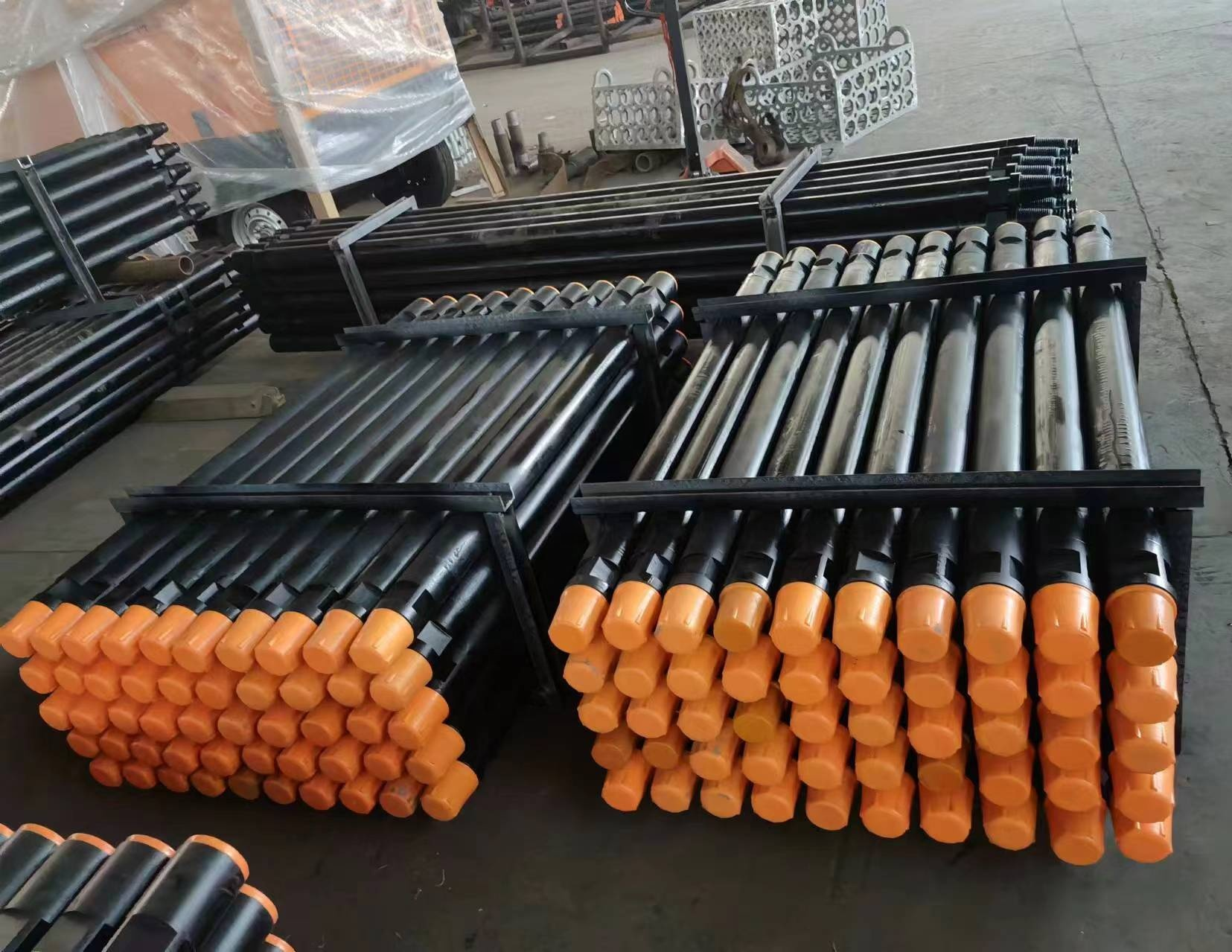
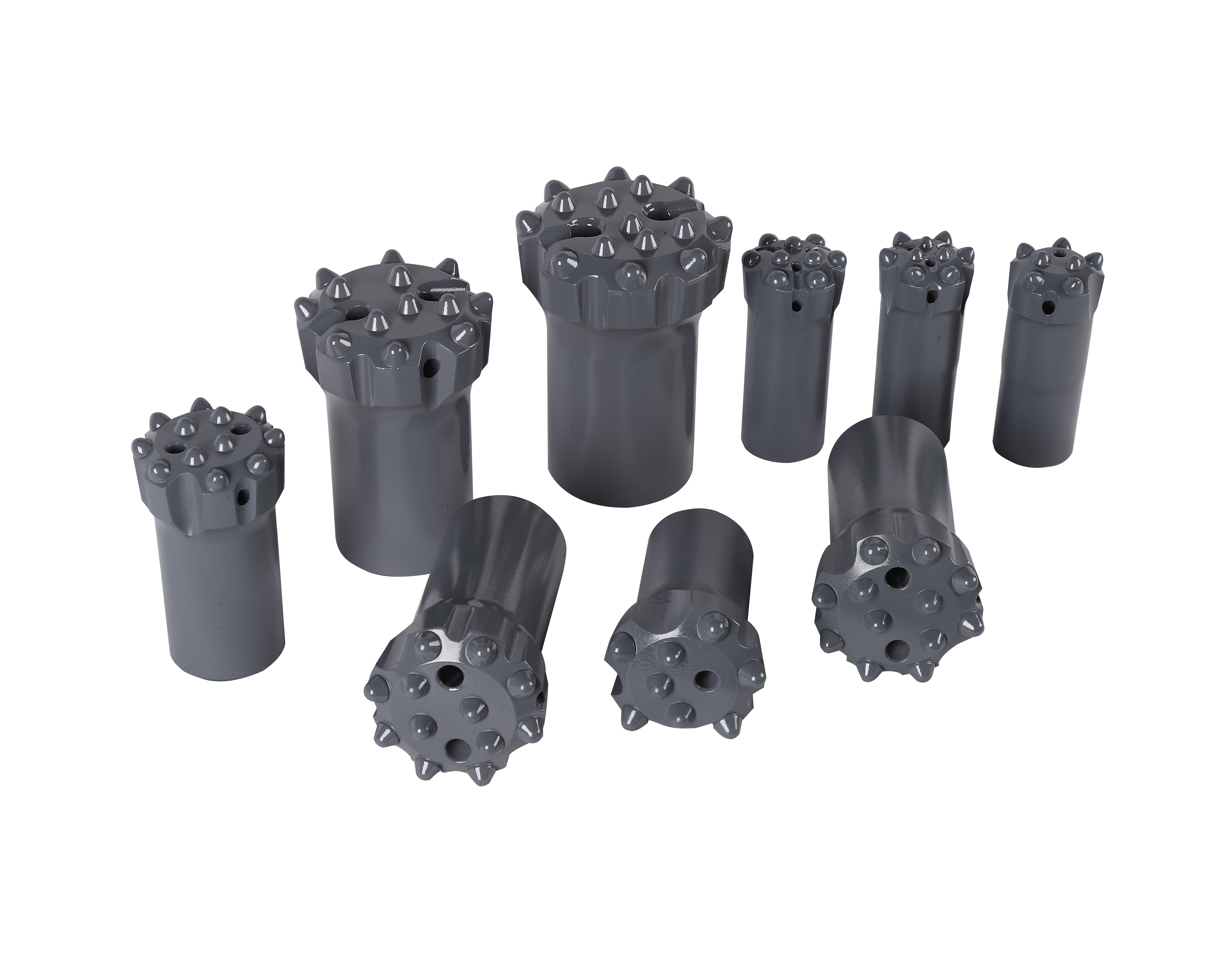
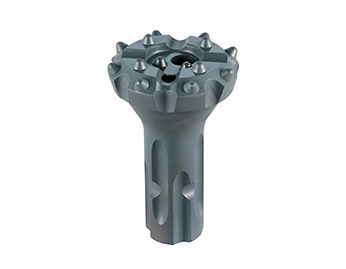
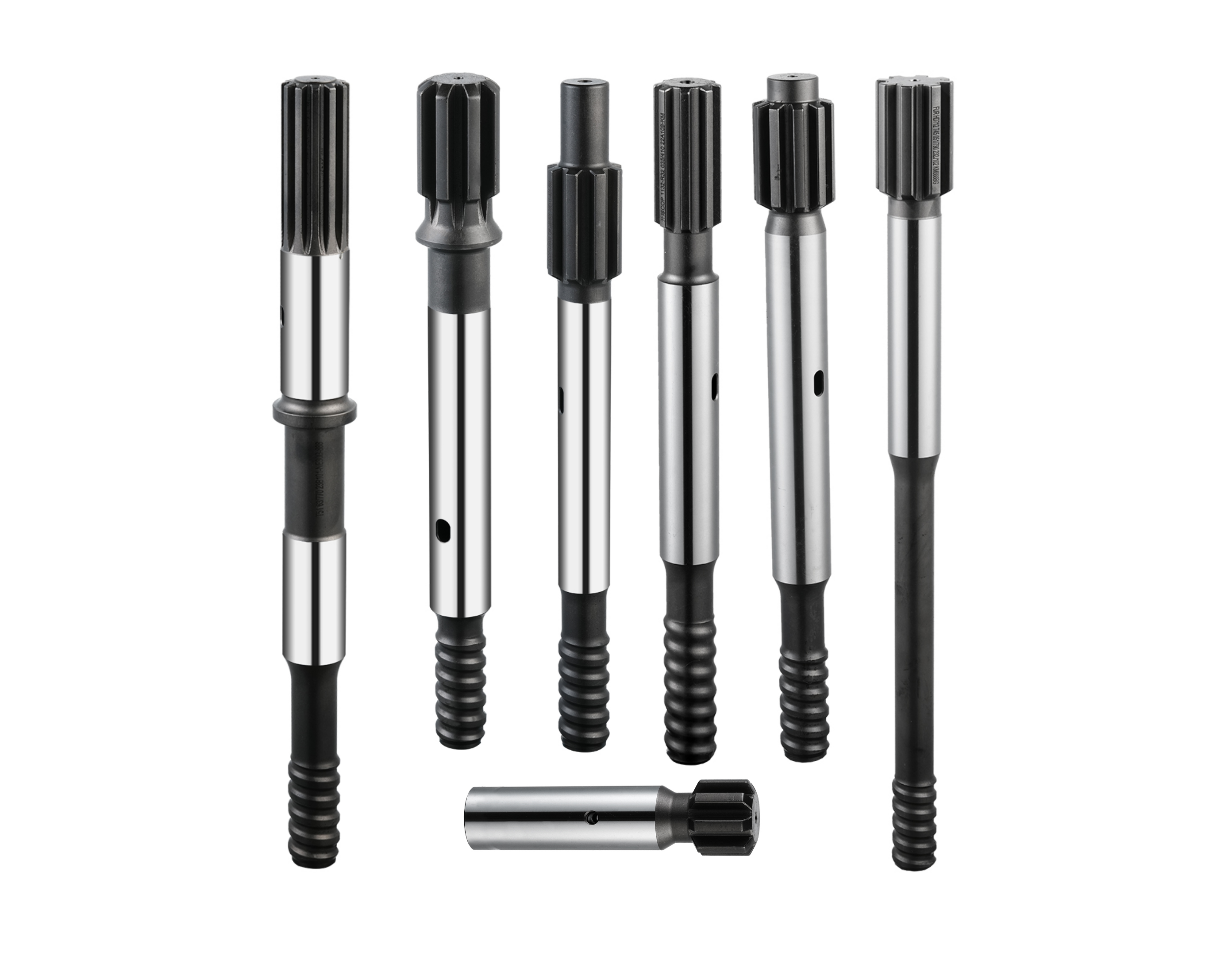
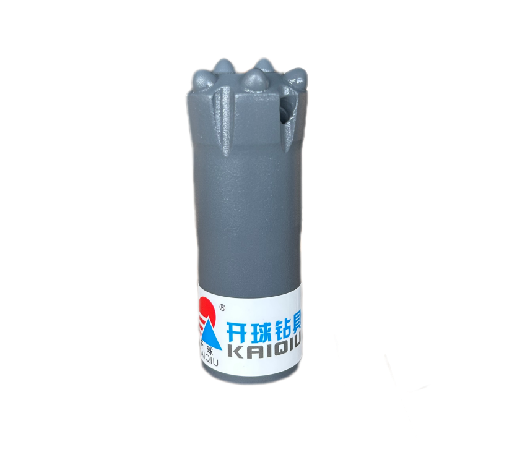
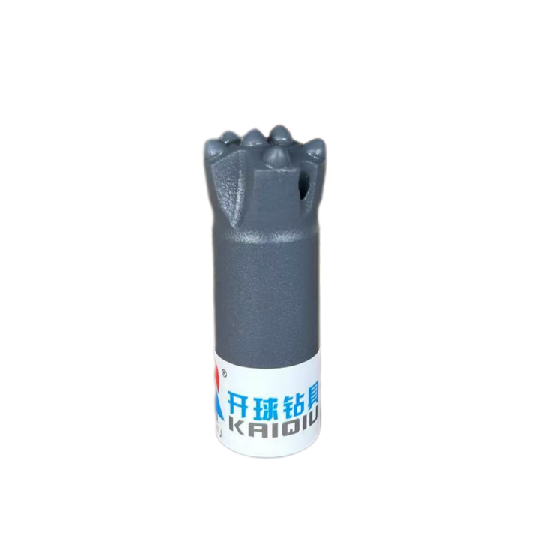
The down the hole hammer is a powerful and efficient technique for creating holes in the ground, earth and anything similar. This process was crucial because it used a specific technique that combined a hammering motion with spinning so it could drill quickly and accurately. Making it a very important tool in many jobs like mining, construction and engineering. Ever thought of the origins of this technology? And what are the benefits of choosing a hole hammer drill for various works? Let's explore this together!
Things didn’t start changing until the 1970s. During this period the first hydraulic hole hammer drill bits were having been produced. One company that was pivotal in the success of these drills is called Kaiqiu. They made some of the first and best hole hammer drills on the market. These new drills worked on hydraulic power to strike the drill bit with immense force, enabling them to bore through hard materials like rock and concrete extremely quickly.
The hole hammer drill for finding minerals is very quick, in polycrystalline diamond (PCD) bits, which a larger hole diameter can be used. Conventional drilling methods, such as diamond drilling, can be both time-consuming and costly, particularly when the minerals are buried deep inside the earth. Ideal for valuable mineral exploration, this technology can easily drill through the hardest rocks within seconds.
A big plus is that it is very precise. The drill bit pounds into the rock rather than grinding or scraping through it. This left a better hole that goes down the correct line. This is particularly crucial for mineral exploration, as the placement and orientation of the holes can impact the data that is recorded. The data may be of little use if holes aren't exactly where they were meant to be.

Next, a hole hammer drill is cost-effective. The fact that it can drill penetration through hard materials, in less time, and more accurately means using fewer and less resources and less manpower than traditional drilling. That allows companies to prospect for minerals more effectively and at a lower overall cost. Or in other words, they can accomplish more work at a lower cost.
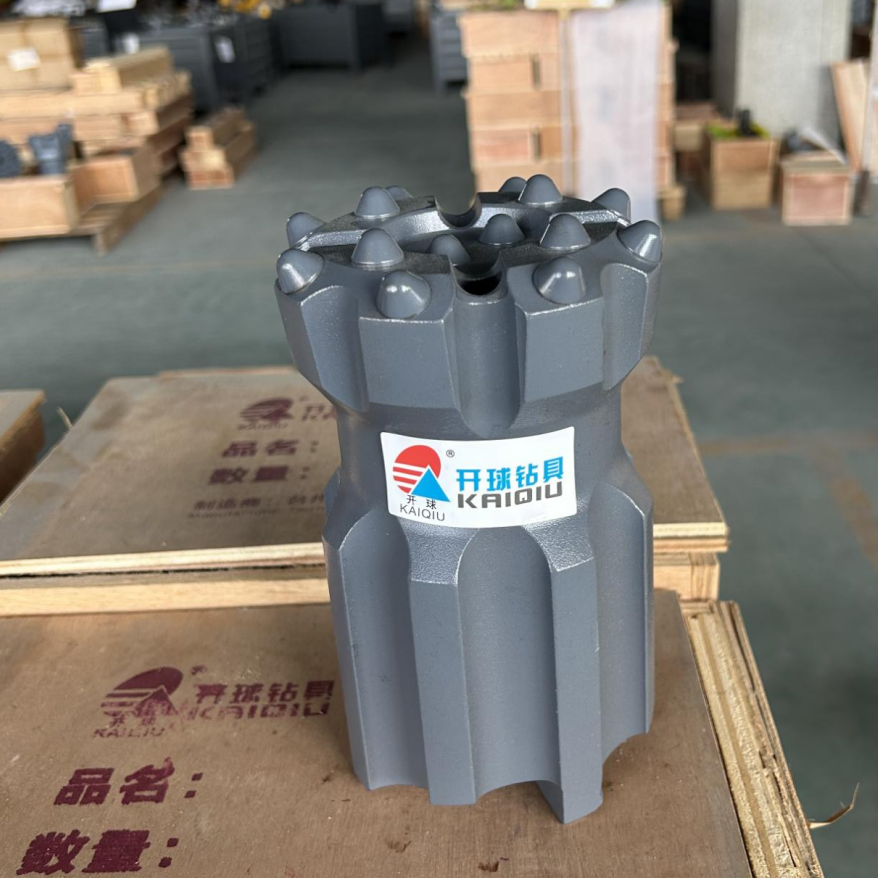
So, how down to hole hammer works in essence? It generates a powerful, rapid hitting action that drives the rock into smaller blocks. Unlike conventional drills, the drill bit isn’t rotated. It instead becomes slammed into the ground via the forceful hammering ₩t. That causes less heat and friction than some other drilling methods.) This is important as for safety few kinds of spark or fire are less likely.
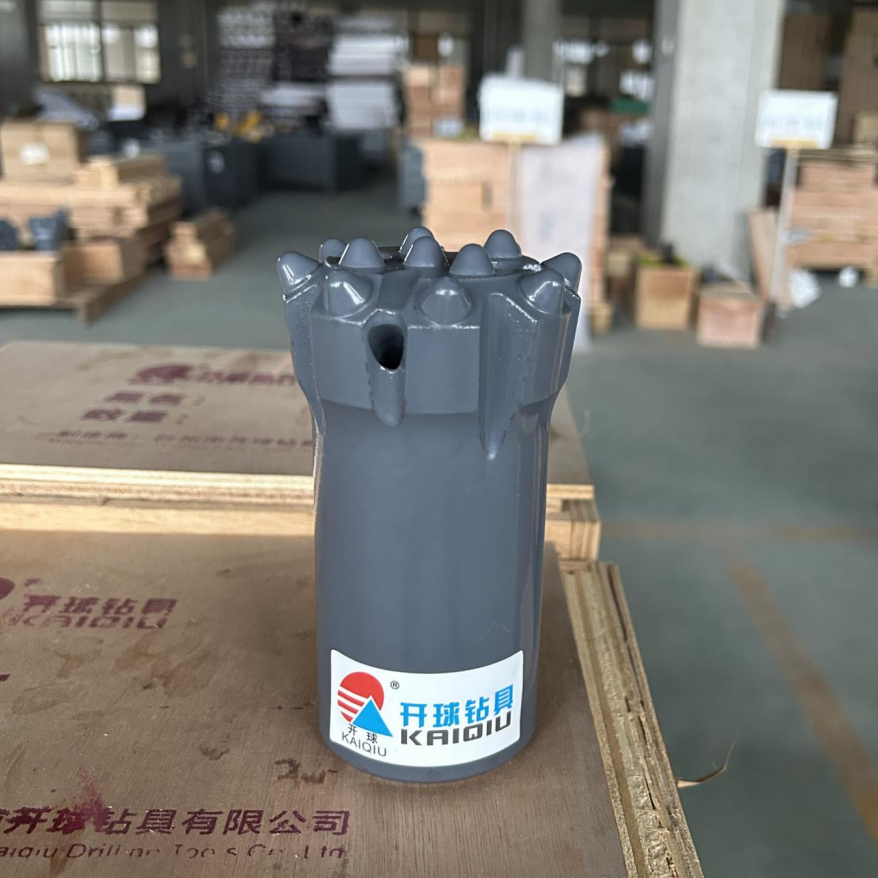
The whole hammer drill uses less time and fuel to complete a drilling project because it is a faster and more efficient drilling method than traditional drilling methods. This means it can reduce the overall carbon footprint of the drilling process. This method helps reduce its environmental impact, making it a more environmentally friendly option.

 EN
EN